
Peptides for Menopause: Everything You Need To Know

Menopause is a natural life transition, but for many women, it brings a cascade of uncomfortable changes. From hot flashes and mood swings to weight gain, sleep disturbances, and vaginal dryness, the symptoms can drastically reduce quality of life. While hormone replacement therapy (HRT) has been the go-to option for decades, a growing number of menopausal women are exploring peptide therapy as a gentler, more tailored solution.
In this article, we’ll explore the role of peptides for menopause, how they support hormonal balance, and why this innovative treatment is gaining traction as a powerful option in menopause treatment strategies.
What Are Peptides and How Do They Work?
Peptides are chains of amino acids that act as signaling molecules in the body. They influence a wide range of biological processes, including collagen production, hormone regulation, immune response, and even muscle growth. Many specific peptides have been studied for their impact on hormone production, especially those related to the pituitary gland and adrenal glands, which play a major role in regulating estrogen, progesterone, and growth hormone levels.
When it comes to menopause treatment, peptide therapy can offer targeted support by stimulating hormone production naturally. This stands in contrast to traditional hormone therapies, which typically involve administering synthetic or bioidentical hormones.
Peptide Therapy vs Hormone Replacement Therapy
Hormone replacement therapy remains a common choice to ease menopause symptoms, but not every woman is a candidate for it. Concerns about breast cancer risk, blood clots, and other health concerns have led some to seek alternative treatments.
Peptide therapy offers a more biologically harmonious alternative by working with the body’s natural hormone production systems and supporting the immune system. Rather than flooding the system with hormones, peptide treatments use messenger molecules to prompt the pituitary gland and other organs to rebalance hormone levels internally.
This can lead to improvements in:
- Hot flashes
- Mood swings
- Sleep quality
- Energy levels
- Sexual health
- Cognitive function
How Peptides Support Hormonal Balance During Menopause
During menopause, women experience significant hormonal changes and fluctuations, particularly in estrogen, progesterone, and growth hormone levels. These changes can trigger a wide array of symptoms ranging from weight gain and fatigue to decreased bone density and impaired cognitive function.
Several growth hormone releasing peptides (GHRPs) and growth hormone releasing hormones (GHRHs) have been shown to enhance hormone balance and mitigate menopausal symptoms. These peptides activate the pituitary gland, encouraging it to produce more human growth hormone, which plays a crucial role in:
- Tissue repair
- Collagen production
- Immune system function
- Metabolic health
- Supporting gut health
By leveraging growth hormone releasing compounds, peptide therapy helps restore equilibrium without introducing external hormones. This approach aligns with the body’s natural processes, making peptide therapy safe for many women.
Some researchers have also studied metabolic peptides such as Tirzepatide 30mg for their potential role in improving insulin sensitivity and overall metabolic balance during the menopausal transition.
Top Peptides for Menopausal Women
Some of the most promising specific peptides for menopause treatment include:
1. CJC-1295 with DAC
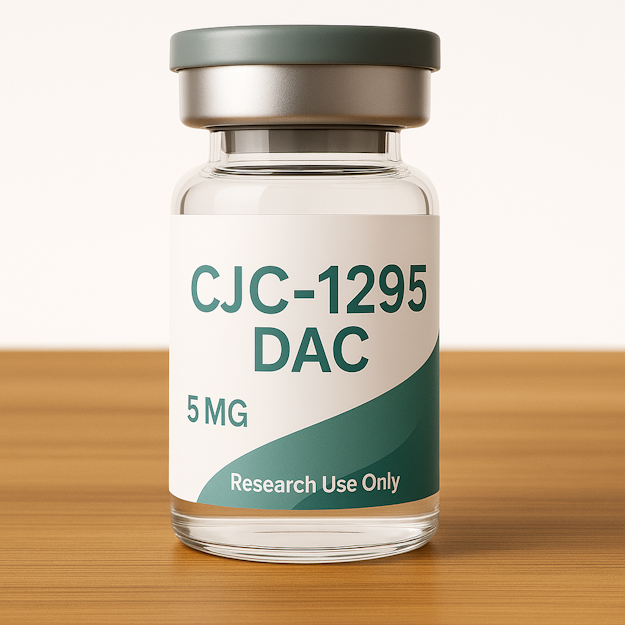
CJC-1295 with DAC (Drug Affinity Complex) is a synthetic growth hormone-releasing hormone (GHRH) analog designed to stimulate the body’s natural production and release of growth hormone from the pituitary gland over an extended period. Unlike short-acting peptides, the DAC modification allows CJC-1295 to remain active in the bloodstream for up to one week, meaning fewer injections are required to maintain stable hormone levels.
For women experiencing menopause, CJC-1295 with DAC offers several benefits that go beyond typical hormone replacement therapy. By promoting a steady and sustained release of growth hormone, it supports muscle mass preservation, which is crucial for maintaining strength and mobility as estrogen levels decline. It also helps improve fat metabolism, aiding in weight loss or body recomposition by encouraging the body to use stored fat as an energy source.
Another valuable benefit is its positive effect on skin health. Increased growth hormone levels can stimulate collagen production, leading to improved skin elasticity, reduced fine lines, and a more youthful appearance.
CJC-1295 with DAC may also play a role in enhancing sleep quality, which often suffers during menopause due to hormonal fluctuations. Deeper, more restorative sleep not only improves daytime energy levels but also supports cognitive clarity, mood regulation, and better recovery from physical activity. Many women also report increased vitality and endurance, allowing them to maintain a more active lifestyle.
When used as part of a broader peptide therapy protocol, CJC-1295 with DAC can complement other treatments aimed at balancing hormones, improving body composition, and enhancing overall wellness. While results may vary, consistent use under medical supervision can provide a more natural way to support the body’s own regenerative processes during the menopausal transition and beyond.
2. Ipamorelin

Ipamorelin is a growth hormone-releasing peptide (GHRP) that works by stimulating the pituitary gland to release growth hormone (GH) in a controlled and targeted manner. Unlike older GHRPs such as GHRP-6 or GHRP-2, Ipamorelin is selective in its action, meaning it increases GH levels without significantly affecting cortisol or prolactin.
When combined with CJC-1295, Ipamorelin produces a synergistic effect. While CJC-1295 extends the duration of growth hormone release, Ipamorelin amplifies the pulse, resulting in a more robust and sustained elevation of endogenous GH levels. This combination is particularly valuable for aging women, especially during menopause, when natural GH production begins to decline and symptoms like weight gain, fatigue, brain fog, and diminished muscle tone become more pronounced.
Ipamorelin’s benefits extend beyond muscle growth and fat reduction. It supports immune system function, which can be weakened with age and hormonal changes. Improved cardiovascular health is another potential advantage, as growth hormone can enhance lipid metabolism, support endothelial function, and aid in reducing visceral fat.
Emerging research also suggests a positive link between GH peptides like Ipamorelin and cognitive function. Increased GH and insulin-like growth factor 1 (IGF-1) levels are associated with better memory, neuroprotection, and overall brain performance in older adults. This may provide an added layer of support for women struggling with mental clarity during the menopausal transition.
Ipamorelin is often well-tolerated and is considered a safer, more refined option for peptide therapy compared to earlier compounds. When prescribed under medical guidance, it can be a powerful tool for enhancing overall vitality, promoting fat metabolism, and supporting hormonal balance in menopausal women.
3. Sermorelin
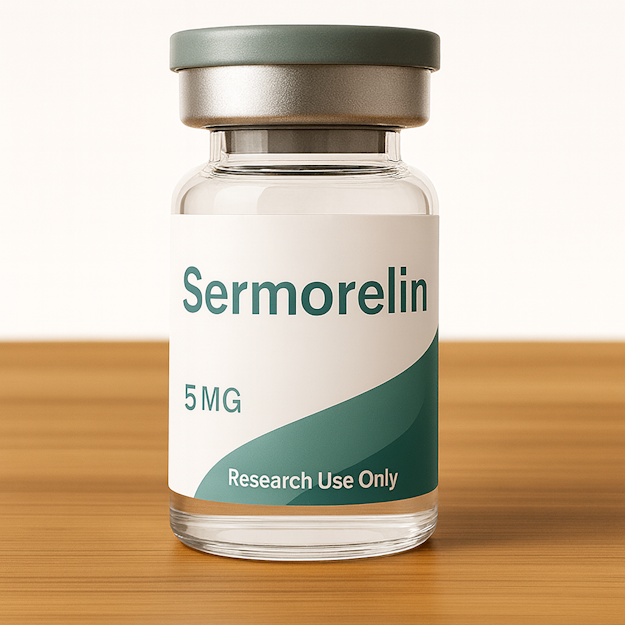
Another growth hormone-releasing compound, Sermorelin is often recommended for those looking to naturally stimulate growth hormone output by mimicking the body’s own growth hormone-releasing hormone (GHRH). It is particularly effective in individuals with declining pituitary function, making it a valuable option for women experiencing age-related hormonal shifts during menopause.
Sermorelin supports tissue repair, muscle mass preservation, and overall hormonal balance, while also promoting improved sleep quality, mood stabilization, and metabolic function. By enhancing the body’s natural GH production, it may contribute to fat metabolism, skin health, and cognitive clarity over time.
These peptides stimulate the body’s endocrine system and are typically administered via subcutaneous injections under medical supervision to ensure safe and effective dosing.
Key Benefits of Peptide Therapy for Menopause Symptoms
For women experiencing menopause symptoms, the effects can be broad and deeply personal. Here’s how peptide therapy addresses some of the most common issues:
1. Improves Sleep Quality
Menopause can severely disrupt sleep quality due to hormonal changes and hot flashes. By encouraging growth hormone release, peptides like CJC-1295 help normalize sleep cycles and combat sleep disturbances.
2. Supports Weight Management
Declining estrogen and hormone levels can impair insulin sensitivity and lead to weight gain. Peptide therapy supports metabolic function, promoting weight loss, improving energy levels, and aiding in weight management goals.
3. Enhances Skin, Hair, and Bone Health
Peptides play a vital role in skin health, hair growth, and maintaining bone density, all of which are affected during menopause. Stimulating collagen production and tissue repair helps women maintain a youthful appearance and structural integrity as they age.
4. Boosts Energy and Mood
Menopause often brings low energy levels, mood swings, and mental fog, which are typical signs of hormonal imbalance. Peptides that enhance growth hormone and support the adrenal glands can reduce fatigue, enhance cognitive function, and boost energy levels naturally.
Personalized Peptide Therapy Plans
One of the standout advantages of peptide therapy is the ability to create a personalized treatment plan tailored to each woman’s needs. Medical providers assess hormone levels, medical history, and lifestyle goals before developing personalized treatment plans that yield optimal results.
Whether you’re dealing with persistent hot flashes, struggling with hormonal imbalance, or seeking support for sexual health, peptides can be strategically selected and dosed for your specific concerns.
Starting peptide therapy should always be done under the guidance of a licensed healthcare professional to ensure safety, proper dosing, and compatibility with other treatments.
Delivery Methods and Safety
Most peptide therapy is administered via subcutaneous injection, though some peptides are available as topical creams. Injections are typically done at home after professional instruction, making it convenient and discreet.
Is peptide therapy safe? When monitored by a knowledgeable medical team, it is considered safe and well-tolerated. Side effects are generally mild and may include temporary injection site irritation or minor bloating. Working with your provider ensures your treatment plan is both safe and effective.
Who Should Consider Peptide Therapy?
Peptides for menopause may be ideal for women who:
- Have concerns about traditional hormone replacement
- Are looking for effective treatments with fewer side effects
- Want to improve sleep quality, cognitive function, or skin health
- Are seeking boosts in energy levels and mood stability
- Are experiencing hormone imbalance or hormonal fluctuations
- Want a treatment that works with the body’s natural hormone production
Women with pre-existing health concerns or complex medical histories should consult with their medical team before initiating peptide therapy.
The Future of Menopause Treatment: A More Natural Approach
While hormone replacement therapy is not going away, it’s clear that peptide therapy offers effective treatments and a powerful and promising alternative. By working in harmony with the body’s natural processes, peptides provide a way to balance hormones, enhance immune system function, support gut health, and improve quality of life during the menopausal transition.
As science advances and more women seek alternative treatments, peptide therapy will likely play a central role in the future of hormone therapies and menopause treatment alike.
Frequently Asked Questions
Q: What are the negatives of taking peptides?
While peptide therapy can offer numerous health benefits, it’s not without potential drawbacks. Some individuals may experience side effects such as injection site irritation, bloating, or water retention. In certain cases, peptides can affect hormone levels too aggressively, leading to imbalances if not properly monitored.
Long-term safety data is limited for some newer compounds, and treatment can be costly since many peptides are not covered by insurance. Additionally, improper dosing or sourcing from unregulated vendors may increase risks. Working with a qualified medical professional is crucial to minimizing these negatives.
Q: How to reduce menopause belly?
Reducing menopause belly requires a combination of hormone support, lifestyle changes, and targeted nutrition. As estrogen levels drop, fat distribution often shifts to the abdominal area, making weight loss more difficult. Regular strength training and cardiovascular exercise help burn fat and maintain muscle mass.
A diet rich in lean proteins, healthy fats, and fiber while low in sugar and refined carbs supports better metabolic health. Quality sleep, stress reduction, and possibly medical interventions like hormone replacement therapy or peptide therapy can also play a role in managing belly fat associated with menopause.
Q: Do peptides increase estrogen levels?
Peptides do not directly increase estrogen levels. Instead, many peptides work by stimulating the body’s natural hormone pathways, particularly through the pituitary gland. This can lead to improved hormonal balance, which may indirectly support the body’s ability to regulate estrogen more efficiently.
Peptides like CJC-1295 or Ipamorelin are primarily used to boost growth hormone levels, not estrogen, though the overall hormonal benefits may positively influence symptoms related to low estrogen.
Q: What is the best supplement for menopause?
There is no one-size-fits-all supplement for menopause, as the best choice depends on the symptoms being targeted. Black cohosh is commonly used for hot flashes, while calcium and vitamin D support bone health. Omega-3s can improve cardiovascular health and reduce inflammation.
Maca root and ashwagandha may help with mood and energy. For women seeking more comprehensive symptom relief, medically supervised peptide therapy offers a research-backed option that supports sleep, energy, muscle maintenance, and hormonal balance during menopause.
A healthcare provider can help determine the best supplement or combination based on individual needs.
Final Thoughts
Menopause doesn’t have to be a time of physical and emotional struggle. With peptide therapy, women now have access to an innovative treatment that can ease menopause symptoms, restore hormonal balance, and improve overall quality of life. Whether used alone or as part of a comprehensive treatment plan, peptides stimulate the body’s own healing and regenerative capabilities.
Always consult your medical team before starting peptide therapy to see if it aligns with your health goals and to develop a personalized treatment plan tailored to your needs.
Discover the Power of Peptides for Menopause
Explore expert insights on how peptides can effectively ease menopause symptoms, improve wellness, and support hormonal balance for a smoother transition.
- Enhance hormonal balance naturally with targeted peptide therapies
- Reduce common menopause symptoms like hot flashes and mood swings
- Support bone density and skin health through innovative peptide use
- Access personalized guidance for safe and effective peptide treatments